Before You Speak, the Room Has Already Decided: Mastering the Critical First Minutes Onstage
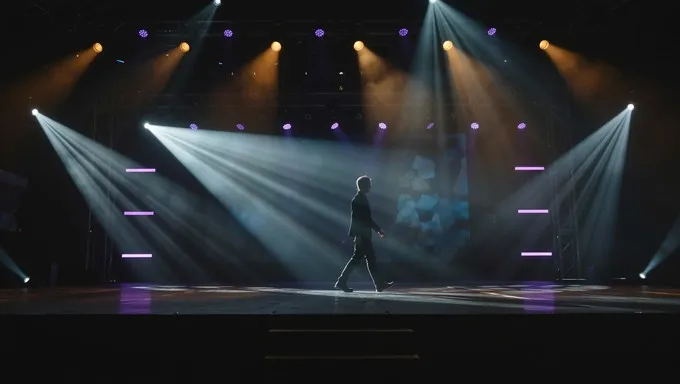
Photo: performer walking onto dark theater stage spotlight, via images.stockcake.com
I once watched a seasoned monologist blow an entire evening in forty-five seconds. Not by forgetting a line—she never forgot lines—but by walking out as if she were apologizing for taking up space. The audience read that apology instantly, and no amount of brilliance in the back half of her set could fully buy it back. The room had made up its mind before she finished her first sentence.
That night taught me something I have carried into every performance since: the opening is not the beginning of the show. In a very real sense, it is the show, compressed. Everything after is negotiation with the verdict already delivered.
The Contract You Sign in Silence
Audiences are not passive recipients; they are rapid forecasters. Within the first few minutes, they decide how much of themselves to invest, how forgiving to be, whether to lean forward or check their phones. This is not superficiality—it is efficiency. A crowd of strangers needs to calibrate, and your opening is the instrument they use.
What most performers miss is that the forecast runs in both directions. The way you open also tells you something. A well-rehearsed entrance gives you a stable platform from which to read the room: the energy level, the attention span, the appetite for risk. A shaky, improvised opening gives you nothing to stand on while you take that measure. You are diagnosing the patient while your own hands are trembling.
Rehearse the Door, Not Just the Room
We performers are diligent about rehearsing material and cavalier about rehearsing arrival. This is backwards. Your entrance—the pace of your walk, the placement of your first breath, the length of your pause before the first word—deserves the same rigor as your most difficult passage.
The practical disciplines are unglamorous but real:
- A consistent pre-show ritual. Not superstition—calibration. The same sequence of vocal and physical warm-ups signals to your nervous system that this is a known quantity, not an emergency.
- A rehearsed first ninety seconds. Know your opening so thoroughly that you can deliver it while simultaneously listening. This is the only way to genuinely read a room in real time: your material must run on something other than your full attention.
- A planned recovery posture. Decide in advance how you will respond if the opening lands flat. A rehearsed response to silence keeps one weak moment from metastasizing into a weak evening.
Reading the Room Without Losing the Thread
The first ten minutes are a live diagnostic. Are they with you or merely watching you? Is the laughter generous or dutiful? Are people leaning in or settling back? The performer who has over-rehearsed the opening to the point of rigidity cannot adjust; the performer who has not rehearsed it at all cannot spare the attention to notice. The sweet spot is material so secure it becomes transparent—there to be seen through, not at.
From that vantage, adjustment is possible. Slow down for a tired Tuesday crowd. Push tempo for a restless Saturday house. These are not compromises of the work; they are the work.
The Confidence Loop
Here is the quieter truth: a strong opening does not just change what the audience believes about you. It changes what you believe about yourself for the next hour. Confidence is not a personality trait; it is a feedback loop, and the opening is where the loop gets primed. Land the first minutes and your body relaxes, your timing sharpens, your risks get bolder. Fumble them and you spend the rest of the night paying interest on a loan you never meant to take.
So treat your opening like the professional decision it is. Rehearse the walk. Rehearse the breath. Rehearse the silence before the first word. The room will make up its mind regardless—the only question is whether you will have had a hand in the verdict.